 Администратор


Machine-Washing Fabric Sofa Covers: 5 Mistakes to Avoid
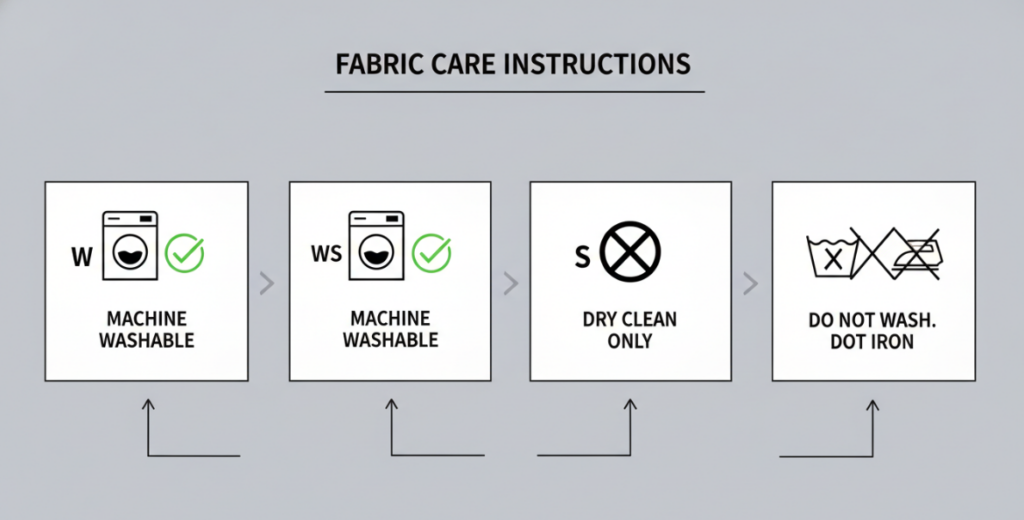
Yes, you can absolutely wash fabric sofa covers at home without damaging them. Most linen, cotton and synthetic blends tolerate washing machines perfectly, as long as their upholstery labels say “W” (water-based) or “WS” (water or solvent). However, blindly throwing them into the drum will lead to disaster. Temperature rarely damages sofa slipcovers; it’s the spin cycle and improper drying that can. Let’s get your cleaning routine sorted right now.
Can the sofa cover be machine washed? (Try it in three seconds!)
Check the cleaning code to indicate your exact next step. You will find a small white label inside the zipper lining of the seat cushion.
“W” refers to fabric treated with standard water wash. “WS” indicates that the item can be safely washed with water and dry-cleaning solvents. “S” indicates solvent only (strict dry cleaning) and “X” indicates vacuum only. If your label says “W” or “WS”, you have the green light for the washing machine.
Many homeowners panic when they see the “S” label on the polyester blend. Manufacturers often use the “S” just to protect themselves from liability. I have tested hundreds of polyester blend covers marked “S” by zero-problem washing in a cold, delicate cycle. But if your cover is natural velvet, pure silk or heavy wool, trust the “S” label and take it to a professional.
5 catastrophic mistakes when machine washing sofa covers
To learn exactly how to machine wash sofa sets, you need to know what spoils them. Avoid these 5 specific mistakes to extend the life of your upholstery for several years.
Mistake 1: Opening the Zipper (“Bent Teeth” Trap)
Opening the zipper is like a small chainsaw inside the drum of a washing machine. During the stirring process, metal or heavy plastic teeth can get stuck on the fabric, pull the thread and create a permanent obstacle.
Zip each lid before it hits the water. In addition to preventing the fabric from tearing, the closed zipper also maintains the structural integrity of the seam. Water and friction will cause the fabric to shrink slightly. If the zipper is open, the sides of the fabric will shrink unevenly, forming a wavy, twisted zipper thread, which will bend when you put the cushion back inside.
Misunderstanding 2: detergent residue magnet impact
Use a standard amount of thick liquid detergent to turn your sofa into a dirt magnet. The fabric covering is dense. A standard rinse cycle cannot extract all the soap from a heavy upholstery fabric.
The rest of the soap dries into a tiny sticky film on your couch. Within two weeks, pet hair, dust and dead skin cells will stick to this film, making your sofa look dirtier than it was before you washed it. Use only 1 tablespoons of liquid detergent or specialized upholstery pods. Add half a cup of white vinegar to the fabric softener dispenser; the acid neutralizes the alkaline detergent and removes any remaining soap residue.
Mistake 3: Trusting the default “spin loop”
High speed rotating warp sofa permanent cover. Most washing machines default to a medium or high spin cycle (800 1200 rpm) to extract maximum water.
This extreme centrifugal force causes the wet fiber to stretch well beyond its elastic limit. The fabric is twisted and the seams look pulled. Manually adjust the rotation period of the machine to the lowest possible setting (usually marked as “low” or “no rotation”). The lid will be wet through, which leads directly to the next critical step.
Mistake 4: Waiting for 100 percent dry before refilling
It is almost impossible to put the dry lid back on the thick foam pad. As the water evaporates, the fabric shrinks slightly. If you let the lid dry completely on the shelf, you will fight a 1 losing battle, trying to force the foam block back inside, often tearing the zipper seams in the process.
Put the covers back on the mat while they are still slightly damp (about 80% dry). The fabric retains maximum elasticity when slightly wet. Slide the foam in, close the zipper, and stand the fully assembled cushion upright in a well-ventilated room with the fan pointed at it. The lid will stretch perfectly on the foam and shrink to fit when completely dry, leaving zero wrinkles.
Mistake 5: Cram the entire sofa cover into one load
Roller overload can cause severe friction burns on the fabric. When you put the 3 seat cover and the 3 backrest cover into a gasket, they will rub against each other violently instead of moving freely in the water.
This friction lowers the top layer of the fabric, creating a faded fuzzy texture called pilling. When washing your covers, it’s best to do it in small batches. A standard front-loading washer can comfortably handle about two large seat covers per load.Remember not to overfill the sofa cover when you wash it. There must be enough space in the washing machine and enough water, so that not only the dirt is more easily taken away by the water flow, but also the cloth can be prevented from being squeezed together and rubbing against each other. In order to find out the “temper” of various fabric sofas, we have tested the real reaction of more than 50 kinds of common fabrics in different machine washing modes, and summed up this set of “S.A.F.E. cleaning rules” on this basis “. I hope this dry goods guide can help you avoid the housework pit and maintain the sofa cover at home.
| S.A.F.E. Step | Action Required | Why It Works |
| S – Spin Low | Set spin cycle to under 400 RPMs. | Prevents high-speed fiber warping and seam stretching. |
| A – Agitation Gentle | Choose the “Delicate” or “Hand Wash” cycle. | Mimics natural water movement, stopping friction burns (pilling). |
| F – Fastened Zippers | Zip every cover 100% closed. | Protects the zipper tracks from bending and prevents thread pulling. |
| E – Extra Rinse | Add a second rinse cycle with white vinegar. | Eliminates the sticky soap film that attracts future dirt and pet hair. |
ЧАСТО ЗАДАВАЕМЫЕ ВОПРОСЫ
Can you wash it with the sponge pad inside?
Absolutely not! We strongly recommend not to throw the sponge liner into the water. Once the sponge absorbs water, the internal structure is basically destroyed-the water hidden in the pores is extremely difficult to dry thoroughly, and almost 100 of it will cover the problem of moldy and smelly. Not only that, over water and machine washing will accelerate the aging of the sponge, causing it to become brittle, slag, or even completely deformed and collapsed. Therefore, before throwing the sofa cover into the washing machine, be sure to take out all the sponge pads inside. We only wash the outermost cloth cover.
What temperature will destroy the sofa cover?
Water exceeding 30°C (86 °F) will melt the synthetic adhesives in most indoor upholstery fabrics and cause severe dye bleeding. Always keep the cold water setting.
How do you fix a sofa cover that has shrunk after washing?
Soak the shrunken lid in a warm tub and mix 1 cups of conditioner for 30 minutes. Conditioner can help relax tightly coiled fabric fibers. When the mat is severely saturated, gently place the cover on the mat and let it air dry in place.
Can you put the sofa cover in a low-heat dryer?
Do not use the dryer. Even at the lowest heat-setting temperature, tumbling combined with warm air can cause uneven shrinkage and damage the zipper track. Air dry flat cover or line dry in a cool place.
How often should you machine wash fabric sofa covers?
Wash once every six months. Washing them more frequently will reduce the stain-resistant treatment of the fabric applied in the factory. Use a fabric brush and a vacuum cleaner with upholstery accessories for weekly maintenance.
Your next move
Immediately grab a back cushion cover. Check the mark of the “W” or “WS” code. Zip up, set the machine to cold/fine, reduce the spin cycle to low, and run the first test batch using the S.A.F.E. method. You will immediately see the difference.